
The Vibe
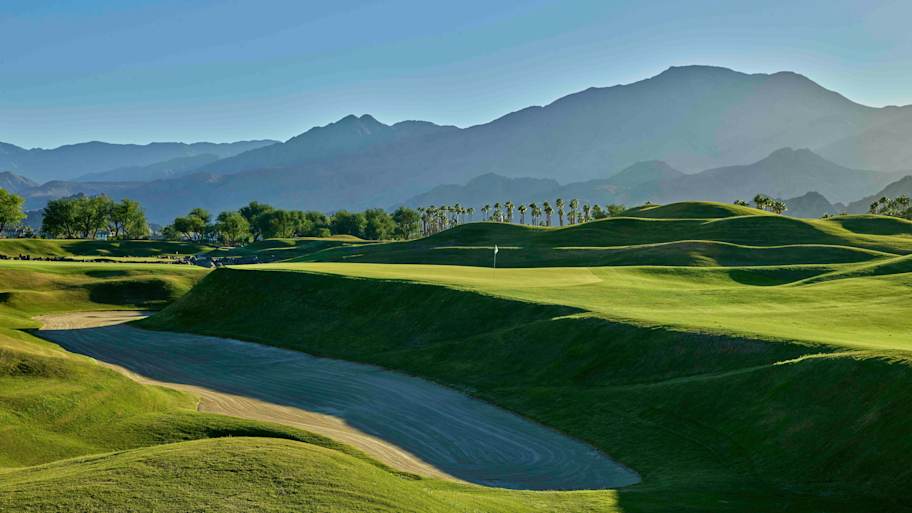
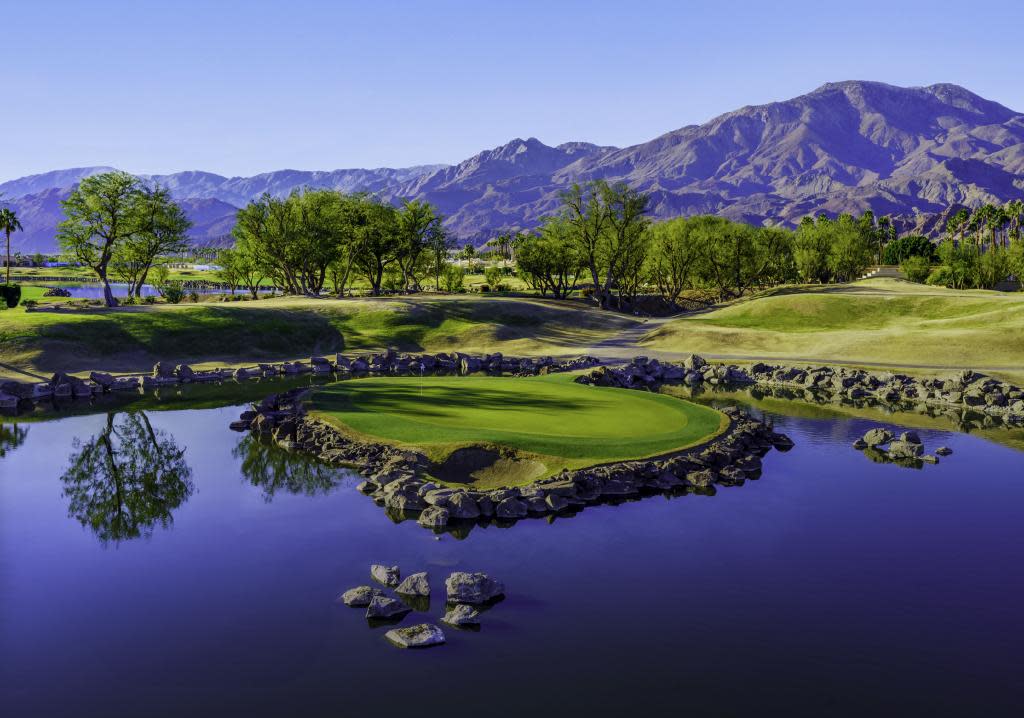
PGA West Stadium is not a course that coddles you. Pete Dye designed it in 1986 as a made-for-television spectacle, and it delivers on that promise with relentless visual intimidation. Deep pot bunkers, severe contouring, railroad-tie bulkheads, and the notorious "Alcatraz" island-green 17th combine to create a course that is simultaneously terrifying and exhilarating. The Santa Rosa Mountains frame every shot in dramatic fashion, and the desert light—especially at golden hour—turns the course into a photographer's dream. Lee Trevino famously declared it "Star Wars golf" after playing the inaugural Skins Game here in 1986, and the nickname stuck. This is not a course for the faint-hearted, but if you want to test your nerve and play where PGA TOUR pros compete, the Stadium Course delivers an experience unlike anything else in California.
The Vault Line — The Dye Deception
Pete Dye was a master of visual intimidation. At PGA West, nothing is as it appears. Bunkers that look 100 yards from the green are actually 30. Greens that appear flat have 3 feet of slope. Water hazards that seem close are actually out of play for any reasonable shot. The Secret: Trust your yardages, not your eyes. Use GPS or a rangefinder on every single shot and ignore the visual cues. Dye designed the course to mess with your head—the railroad ties, the deep bunkers, the severe slopes are all designed to make you second-guess your club selection. The player who wins at PGA West is the one who trusts the number, picks a target, and commits completely to the shot.
Quick-Glance Summary
Terrain
Desert Stadium
Priority
Mental Toughness
Aesthetic
Desert Dramatic
Status
PGA TOUR Venue
The Access Intelligence
Access Reality
Resort Public | Guest & Member Priority
PGA West is a community with multiple courses. The Stadium Course is open to the public with green fees around $175–$299 depending on season (peak season is November–April). Summer rates can drop below $100, but temperatures regularly exceed 110°F. Hack: The absolute sweet spot is late October or early March—rates are near-peak but temperatures are comfortable (80–90°F). Avoid December through February peak pricing by playing weekday afternoons when rates drop 20–30%. Always carry at least 4 litres of water per person in the desert.
Visit Official Club WebsiteTactical Strategy Guide
Hole 16 — The San Andreas Fault (Par 4, 404 yds)
The green is flanked by an enormous, deep bunker that Pete Dye called the "San Andreas Fault"—it's 18 feet deep with vertical walls. If your ball finds this bunker, you're looking at a sideways escape and a near-certain bogey. Strategy: Aim for the left side of the fairway with your tee shot, then play your approach to the right side of the green. The bunker guards the left, so any approach that fades right is in the safe zone. Never, ever go left.
Hole 17 — Alcatraz (Par 3, 168 yds)
The most famous hole on the course: an island green surrounded entirely by water and rock. There is no bailout. You either hit the green or you're wet. Strategy: Take the exact yardage, add one club (nerves kill distance), and aim for the centre of the green. The green is actually larger than it appears—approximately 30 yards deep and 25 yards wide. Don't aim at the pin; aim at the green. A two-putt par from 40 feet is a triumph. The wind can swirl in the basin around the green, so if you see the flag moving, take two extra clubs and hit it firm.
Desert Heat Protocol
The Coachella Valley regularly exceeds 100°F from June through September. Even in the "comfortable" months of October–April, afternoon temperatures can reach 90°F+. Protocol: Start as early as possible (dawn tee times are ideal). Drink water constantly—at least 500ml per 3 holes. Wear sun protection on every exposed surface. The desert air is extremely dry, so you'll dehydrate faster than you realise. The ball will also fly 5–10% further in the hot, thin desert air—adjust club selection accordingly.
The Insider FAQ
What is 'Alcatraz' and how bad is it really?
Alcatraz is the nickname for the par-3 17th hole, which features an island green completely surrounded by water. There is literally no safe miss—if you miss the green, you're in the water. In the 1987 Skins Game (one of the most-watched golf events of its era), multiple Tour pros hit their tee shots in the water. The green is larger than it looks (about 6,000 sq ft), but the psychological pressure of an all-or-nothing shot is immense. Statistically, the average recreational golfer makes a 5 or worse on this hole. Bring extra balls.
When is the best time to play?
The sweet spot is October–November and March–April. Temperatures are comfortable (75–90°F), rates are reasonable, and the course is in excellent condition. December–February is peak season with the highest prices but perfect weather. Avoid June through September entirely unless you're accustomed to extreme heat—temperatures regularly exceed 115°F and the course is borderline unplayable in the afternoon. Summer rates are cheap ($75–$100) but you'll understand why once you're standing on the 10th tee at 2pm in 118°F heat.
How does it compare to other Pete Dye courses?
PGA West Stadium shares DNA with TPC Sawgrass (the island-green concept) and Whistling Straits (the visual intimidation). But it's arguably Dye's most extreme design—the bunkers are deeper, the contours more severe, and the visual trickery more pronounced than any of his other courses. It's also his most "theatrical"—it was designed explicitly for television, which means every hole has a dramatic element that makes it memorable. If you've played TPC Sawgrass and loved/hated it, PGA West is the next logical step on the Dye spectrum.
What other courses are at PGA West?
PGA West has six courses in total: the Stadium (Pete Dye), the Nicklaus Tournament, the Mountain (Arnold Palmer), the Dunes (Greg Norman), and two private courses. The Stadium is the star, but the Nicklaus Tournament course is also excellent and typically cheaper. If you're in the area for multiple days, play the Stadium for the experience and the Nicklaus for a more "traditional" round. The Mountain course offers the best mountain views but is the least challenging of the three public layouts.
Is the Coachella Valley worth a dedicated golf trip?
Absolutely. The greater Palm Springs area has over 100 golf courses within a 30-mile radius. Beyond PGA West, highlights include Indian Wells Golf Resort (host of the American Express), SilverRock Resort (Arnold Palmer design in La Quinta), and the classic La Quinta Resort & Club (where the original PGA West experience began). The area also offers exceptional dining, the Joshua Tree National Park (45 minutes away), and the mid-century modern architecture of Palm Springs itself. A 3–5 day golf trip here is a genuine bucket-list experience.