The Golf Athlete
Golf is an endurance sport. Walking several miles a day while maintaining the fine motor skills required for a delicate chip at Pebble Beach requires more than just a good swing. It requires a body that can handle repeated explosive output over a 4-to-8 hour window.
To survive the ultimate golf expeditions, you don't need the physique of a bodybuilder; you need the functional resilience of a decathlete. We focus on three pillars: **Mobility** (the ability to rotate), **Stability** (the ability to hold your ground), and **Power** (the ability to generate speed efficiently).
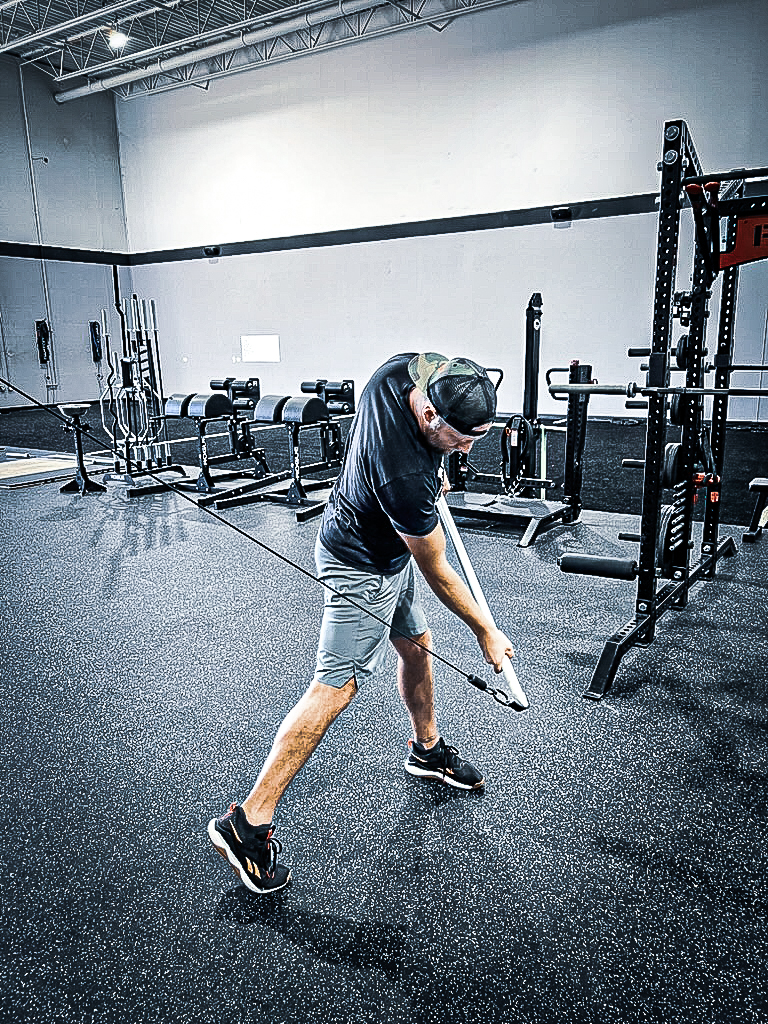
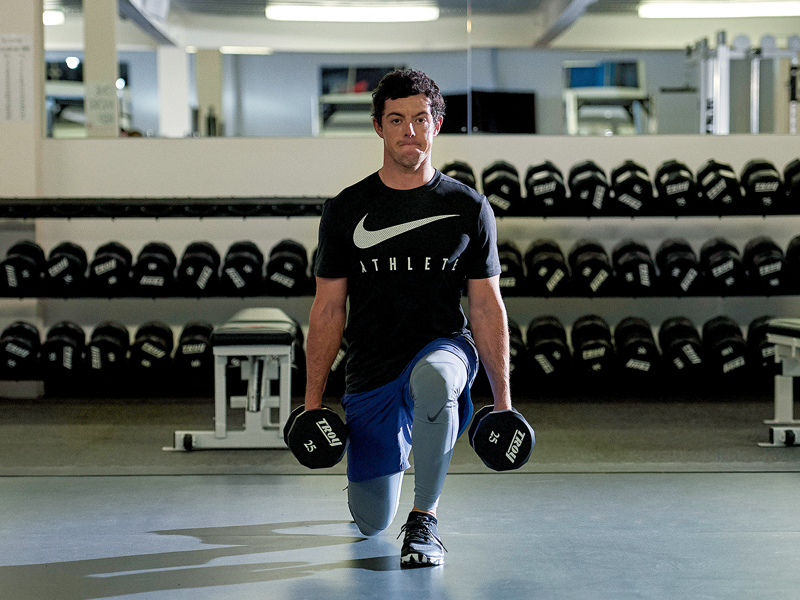
"The best way to improve your golf is to improve the athlete who holds the club."
— Dr. Greg Rose, TPI Co-FounderThe Three Pillars of Performance
1. Mobility: The Engine of Rotation
If your **Thoracic Spine (mid-back)** and **Hips** are locked, your body will find rotation elsewhere—usually by stressing the lower back or knees. Restricted mobility leads to instant inconsistency.
2. Stability: The Foundation of Force
Your lower body is your anchor. We prioritize **Glute Activation** and **Single-Leg Balance**. If you can't balance on one leg for 30 seconds with your eyes closed, you will never have a stable base on difficult lies.
3. Explosive Power: Ground Force
Power is generated by pushing into the ground, not just swinging your arms. We focus on **Plyometrics** and **Rotational Speed**. Training your central nervous system to move fast is just as important as training your muscles to be strong.
The "Big 3" Morning Activation
Follow these instructional videos to prime your body before every round:
-
Cat-Cow (10 reps): Waking up the spine for full rotation.
Watch Instructional Video -
90/90 Hip Swivels (10 reps): Essential for loading the trail hip and clearing the lead hip.
Watch Instructional Video -
The World's Greatest Stretch (5 per side): Opens the T-spine, hips, and hamstrings.
Watch Instructional Video
The "36-Hole Day" Maintenance Plan
Surviving a double-round day is about managing inflammation and energy decay.
Intra-Round Nutrition
Avoid the "Clubhouse Slump." A heavy lunch between rounds will spike your insulin and leave you lethargic on the 10th tee of the afternoon. **Protocol:** Small, high-protein snacks every 4 holes. Handful of nuts, a protein bar, or jerky. Hydrate with electrolytes, not just water.
Post-Round Recovery
As soon as the 36th hole is done, your job is to reset for tomorrow. **Protocol:** 10 minutes of active stretching focusing on the hip flexors (which tighten during walking). Contrast showers (hot/cold) are a great way to flush out lactic acid.
Recommended Training Resources
We have reviewed the best online platforms. These are the gold standards for tactical golf fitness.
Fit For Golf (Mike Carroll)
The most scientifically-backed program in golf. Focuses on the "big rocks" of strength and speed. Excellent for golfers needing endurance.
Watch Training VideosMyTPI (Titleist Performance Institute)
The industry standard for mobility and the "Body-Swing Connection." Use their library to diagnose your specific physical restrictions.
View Mobility DrillsThe "Insider" Tip
Don't just train for power. Train for **Deceleration**. Being able to stop the club is what prevents injury. Focus on the eccentric (lowering) phase of your squats and lunges to build the "brakes" that will protect your back over a long season.
Build Your Golf Body
Our Vault members get access to "The 36-Hole Roadmap"—a day-by-day physical preparation guide for the world's most demanding courses.