The Vibe
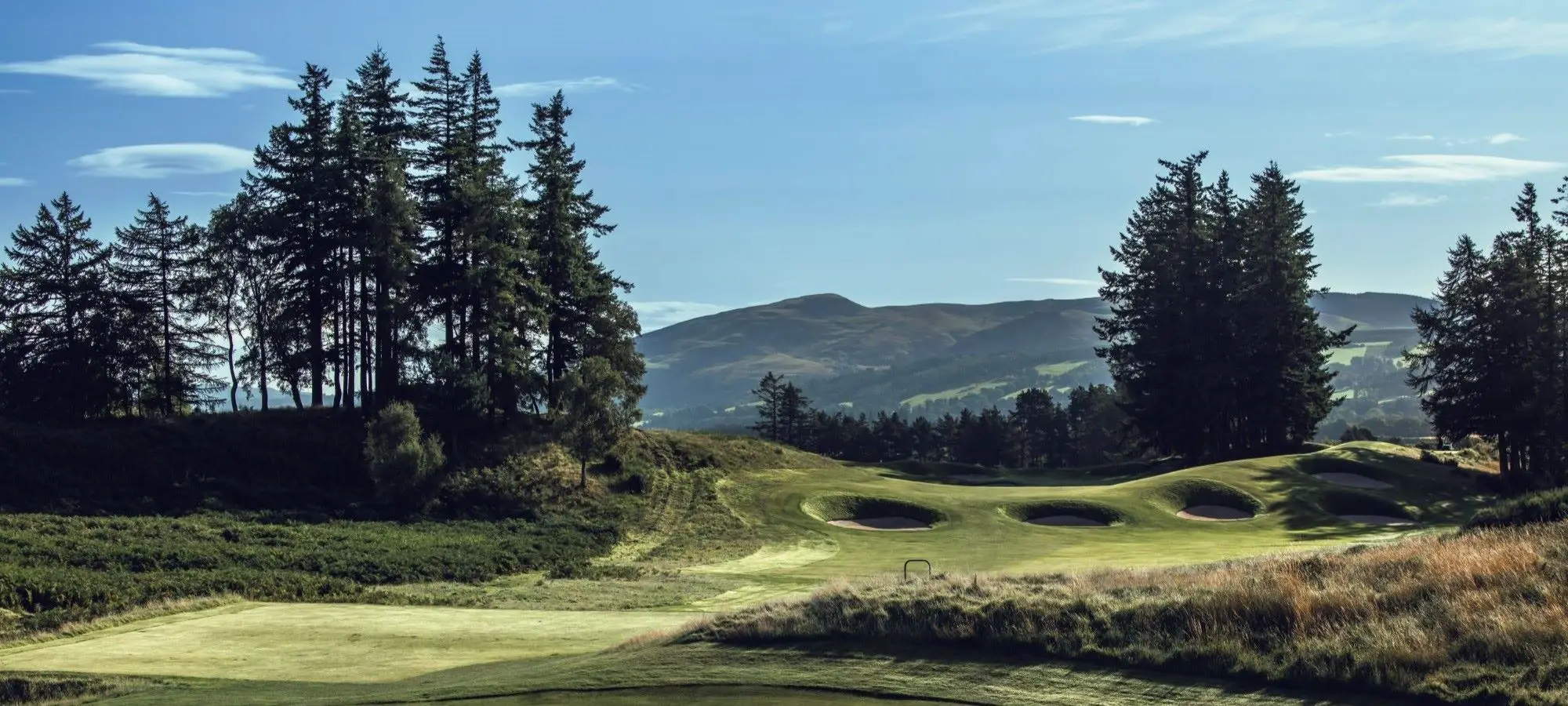
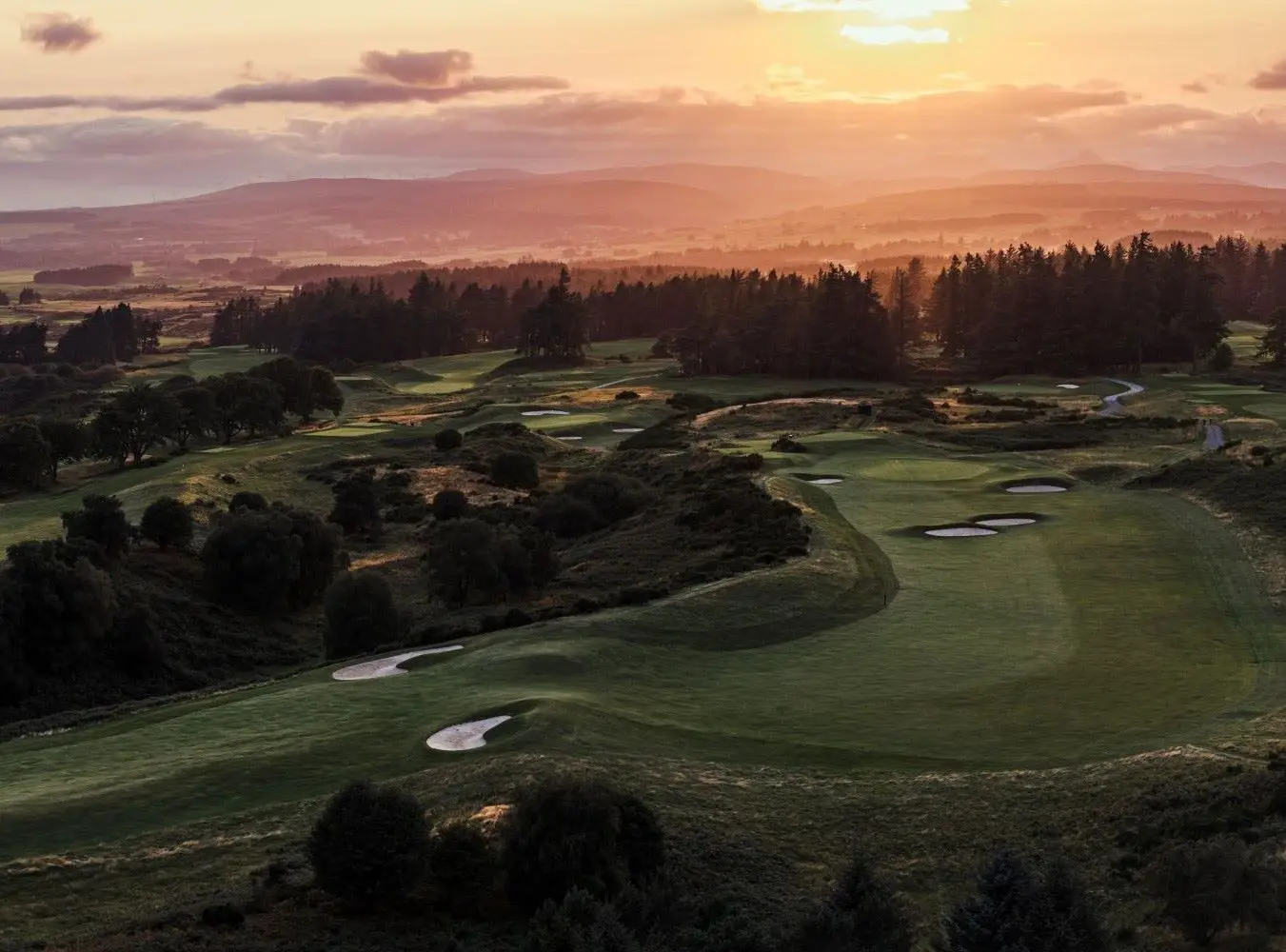
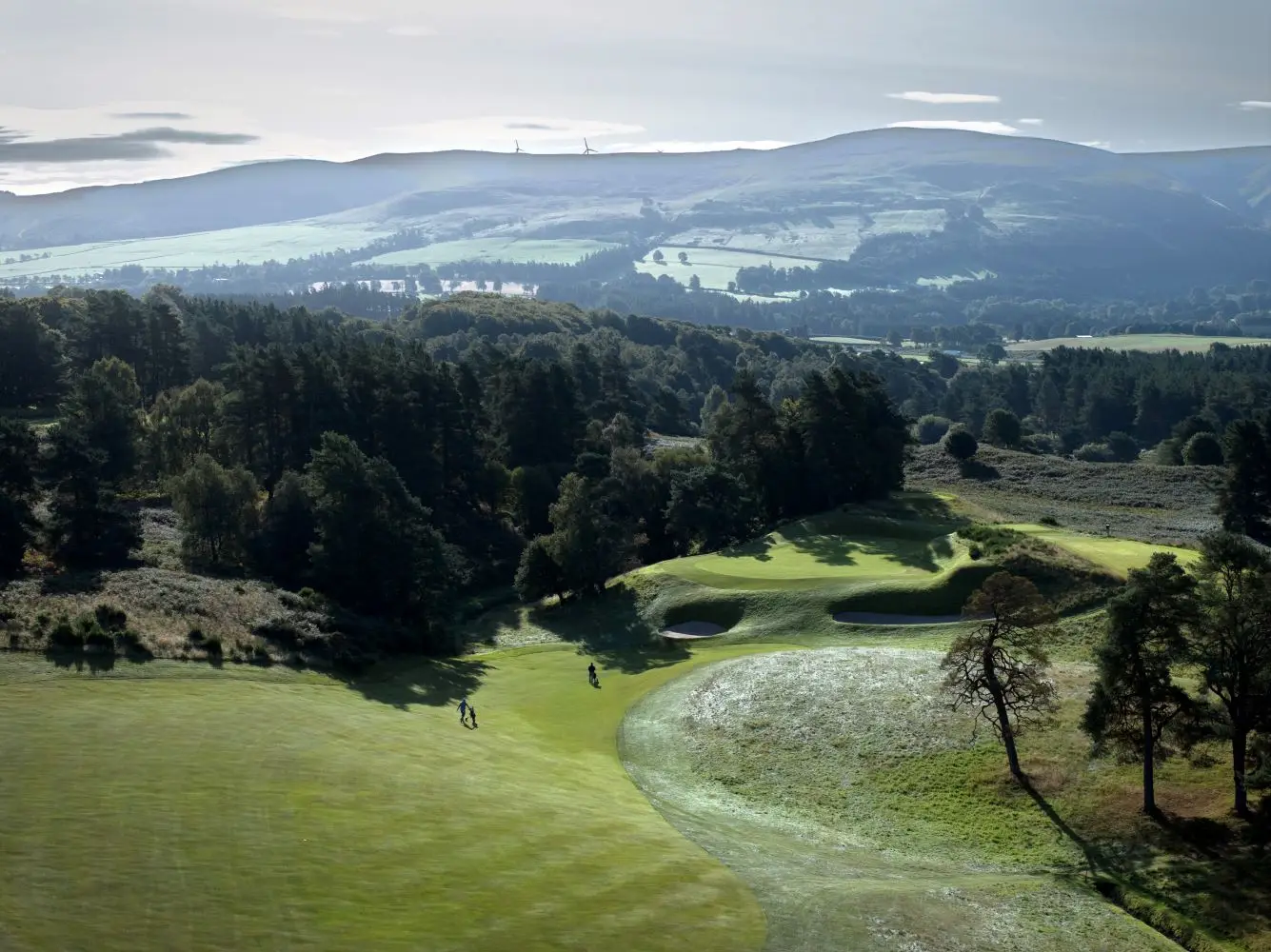
Opened in 1919, the King’s Course at Gleneagles is considered one of James Braid’s greatest achievements. It is a pure moorland layout, characterized by springy turf, sweeping elevation changes, and blind shots. Set within the glorious amphitheater of the Ochil Hills, it exudes old-world Scottish charm and luxury. It feels entirely different from the seaside links, offering a majestic, inland aristocratic vibe that is deeply woven into the fabric of Scottish golf history.
Quick-Glance Summary
Par
71
Yardage
6,790 (Championship)
Architect
James Braid
The Access Masterclass
How To Book
The Resort Gateway: Gleneagles is a world-renowned 5-star resort. Booking a tee time is very easy, especially if you are staying at the hotel, though visitors are always welcome.
Insider Tip: Gleneagles has three championship courses (King's, Queen's, PGA Centenary). The King's is the historic masterpiece, but if you have time, the Queen's is a slightly shorter, incredibly charming companion that many purists secretly prefer.
Logistics
2026 Green Fee
Expected to be around £275 - £325 for summer play. It is a luxury resort experience.
Closest Airport
Edinburgh (EDI) or Glasgow (GLA) are both approximately 1 hour away. Gleneagles also has its own train station directly on the main line from London.
Tactical Strategy
Trust the Yardage: The dramatic elevation changes make judging distance very difficult. The ball flies further in the thinner Highland air, but uphill approaches will kill distance. Trust your caddie or your laser, and club up on the elevated greens.
The Braid Bunkers: Braid’s bunkering here is both beautiful and penal. The cross-bunkers often create optical illusions, making the greens look closer than they are. Avoid them at all costs, as many are deep enough to require an immediate sideways exit.
Insider FAQ
Did the Ryder Cup happen on the King's Course?
No, the 2014 Ryder Cup was contested on the PGA Centenary Course at Gleneagles.
The Jack Nicklaus-designed PGA Centenary Course was chosen for the Ryder Cup specifically because its massive, stadium-like mounding could accommodate tens of thousands of spectators. However, among golf purists and historians, James Braid's King's Course remains the undisputed crown jewel of the resort due to its strategic depth, moorland turf, and historic pedigree.
Is the King's Course a difficult walk?
Yes, the routing traverses rolling hills and features several steep inclines.
Because it is routed over natural moorland terrain in the foothills of the Scottish Highlands, the King's Course involves significant elevation changes. While buggies (golf carts) are available to rent from the resort, traditionalists prefer to walk with a caddie to fully experience the natural rhythm and sheer beauty of Braid’s design.
What makes the bunkering so special at the King's Course?
James Braid utilized cross-bunkering to create optical illusions that confuse distance control.
Braid’s masterful placement of bunkers often makes the greens appear much closer than they actually are. Coupled with the dramatic elevation changes and the thinner Highland air, trusting your yardage book (or your caddie) is paramount. Furthermore, the bunkers are famously deep and penal; avoiding them is critical to scoring well.