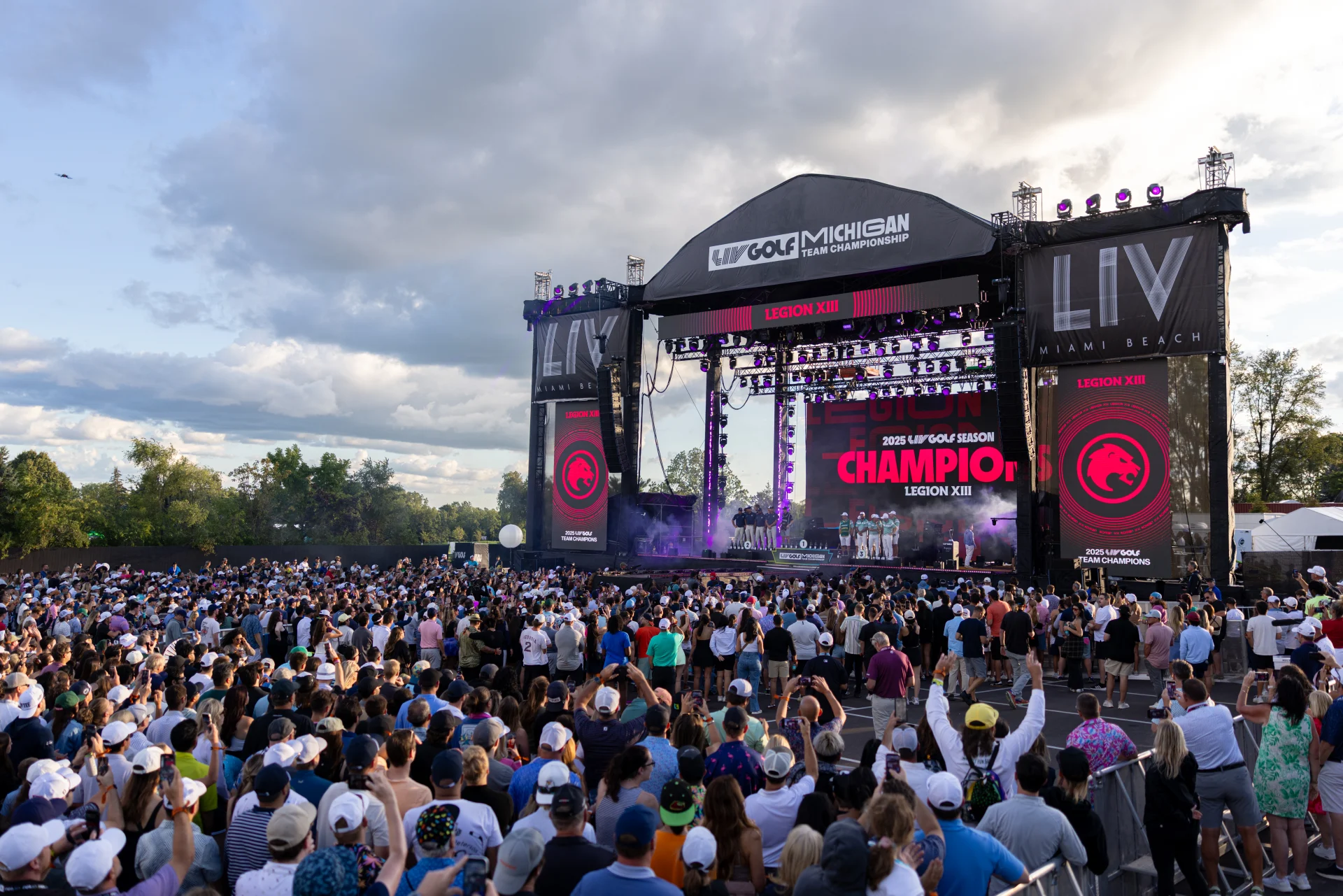
Four years into the most disruptive era in the history of professional golf, LIV Golf finds itself facing a harsh reality. Despite securing a multi-year broadcast deal with Fox Sports, abandoning its namesake 54-hole format in a desperate bid for world ranking points, and injecting another staggering $470 million into its 2026 prize pool, the breakaway league is battling systemic issues that threaten its viability as a standalone product.
The highly anticipated "framework agreement" merger with the PGA Tour is dead in the water. The Saudis are allegedly reconsidering their limitless funding model. And the product itself is struggling to capture the mainstream American sports fan. Let's break down exactly what is happening behind closed doors.
The Merger Mirage: PGA Tour Moves On
If 2023 was the year of the shock announcement, 2026 is the year of the quiet divorce. The June 2023 framework agreement that was supposed to unify the global game never materialized into a finalized deal. Today, the PGA Tour and LIV Golf exist as entirely separate, competing entities with zero active negotiations on the table.
The PGA Tour, bolstered by substantial private equity injections from the Strategic Sports Group (SSG), has moved aggressively forward with its own strategic initiatives. They have cemented their Signature Event model and established a "Returning Member Program" based on strict performance criteria, effectively creating a one-way door for LIV defectors who want out.
We are already seeing the effects of this policy. Brooks Koepka successfully navigated the Returning Member Program to rejoin the PGA Tour, sending shockwaves through the LIV locker room. Other players are reportedly consulting their legal teams to understand the reinstatement process for the 2027 season.
The TV Ratings Crisis
For any sports league to survive long-term without relying entirely on sovereign wealth, it needs a lucrative domestic TV deal fueled by high viewership. This is where LIV Golf's most glaring vulnerability lies.
Despite transitioning to a traditional 72-hole format and securing a deal with Fox Sports, the numbers paint a grim picture. Early 2026 events have continued to trail significantly behind even the most unglamorous PGA Tour events. The broadcast from Riyadh averaged a dismal 23,000 viewers over four days. While the Mexico City event saw a spike—reaching 396,000 viewers for the second round on Fox—the final round on FS1 crashed back down to just 49,000 viewers.
In the brutal calculus of American sports broadcasting, these numbers are not sustainable for a product that costs hundreds of millions to produce annually.
The PIF Reassessment
The Saudi Public Investment Fund (PIF) has functionally limitless capital, but they do not have limitless patience. Multiple reports in April 2026 suggest that the PIF is actively reassessing its financial commitment to the league beyond this current season.
The cracks are already showing operationally. LIV Golf abruptly postponed its June 2026 event in New Orleans, citing a need to "restructure its financial model and seek additional sources of funding." When a sovereign wealth-backed entity begins talking about seeking "additional sources of funding," the industry takes notice.
The Verdict: Is 2026 the End?
LIV Golf CEO Scott O'Neil maintains that the league is fully funded through the end of 2026, but the transition from an "unlimited war chest" mindset to a "sustainable business model" mindset has fundamentally altered the trajectory of the league.
LIV successfully forced the PGA Tour to modernize, enrich its players, and evolve its product. In that sense, the disruption worked. But as a standalone entertainment product, LIV Golf has failed to command the attention of the viewing public. Without the merger to provide a soft landing, and with the PIF demanding a path to profitability, LIV Golf is facing an existential crisis. The music hasn't stopped completely, but the band is certainly looking at their watches.