For decades, the "Big Five" of golf hardware — Titleist, TaylorMade, Callaway, PING, and Mizuno — held an iron grip on the global equipment market. Their moats were built on multi-million dollar Tour endorsements, massive R&D facilities, and a traditional retail distribution model that forced every consumer through a pro shop markup. But the walls are coming down.
A new wave of boutique, Direct-to-Consumer (DTC) brands is bypassing the traditional gatekeepers. These companies are leverageing the same premium manufacturing foundries in Asia, stripping away the marketing bloat, and selling high-performance hardware directly to your doorstep for roughly half the price of a major OEM set. This isn't just about saving money; it's about a fundamental shift in golf entrepreneurship.
Why Now? The Perfect Storm
Three factors have converged to make this the "Golden Age" of the golf startup:
- Manufacturing Democratization: The same high-end forging foundries in Japan and Taiwan that major brands use are now accessible to boutique designers with lower minimum order quantities (MOQs).
- Social Validation: The rise of YouTube and Instagram "Gear Junkies" has replaced the traditional TV ad. If a brand like Takomo or Sub 70 performs on a Launch Monitor in front of 500,000 viewers, it doesn't need a billboard.
- The DTC Playbook: By eliminating the middleman (retailers) and the "Tour Tax" (paying millions for pros to carry the bag), these brands can offer premium 1020 carbon steel forged irons at price points that major companies simply cannot touch.
The Disruptors: A Brand Deep-Dive

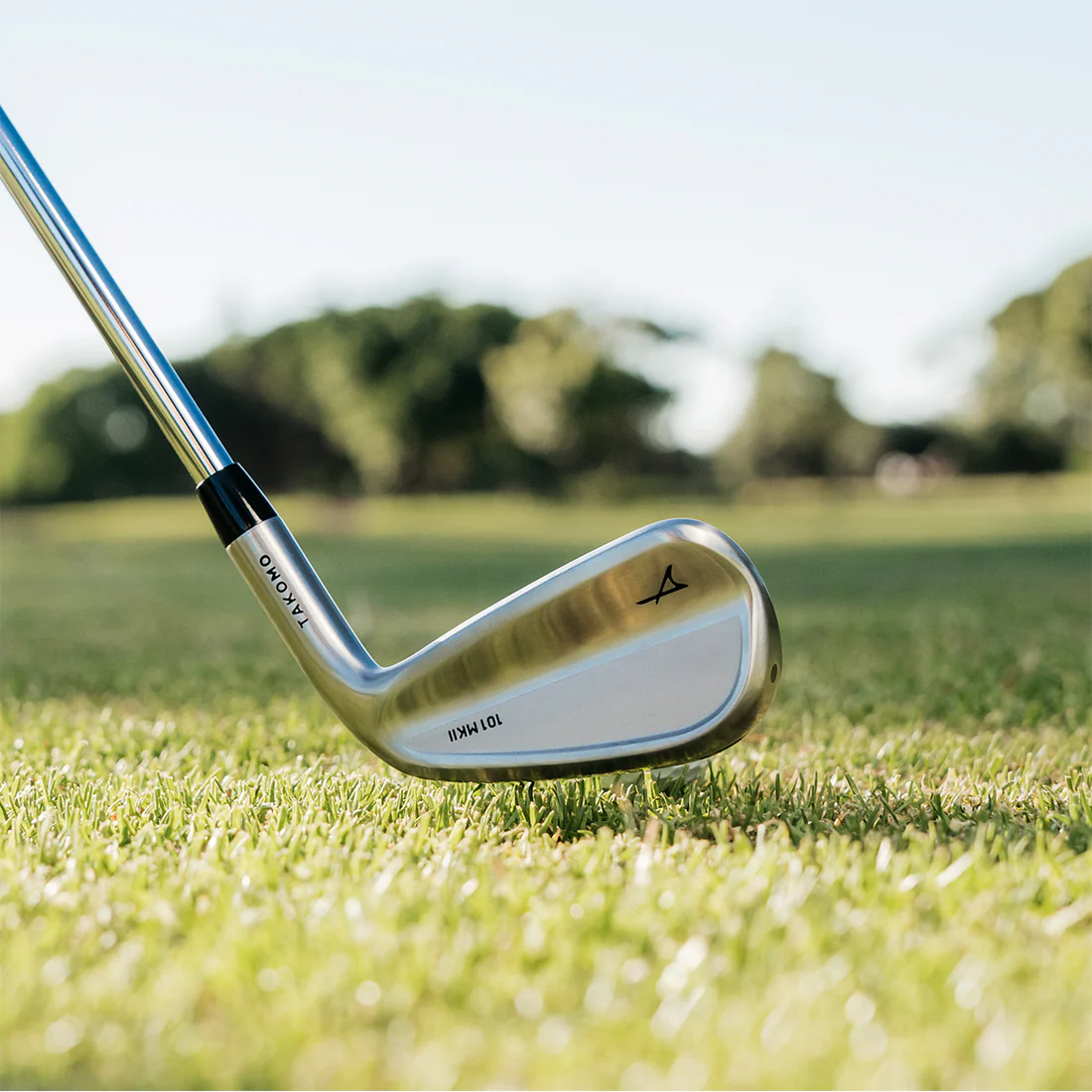
Takomo Golf
The Finnish phenomenon. Known for their stunning minimalist aesthetics and incredible performance at a "too-good-to-be-true" price. The 101 and 201 series have become the darlings of the internet golf community.
Visit takomogolf.com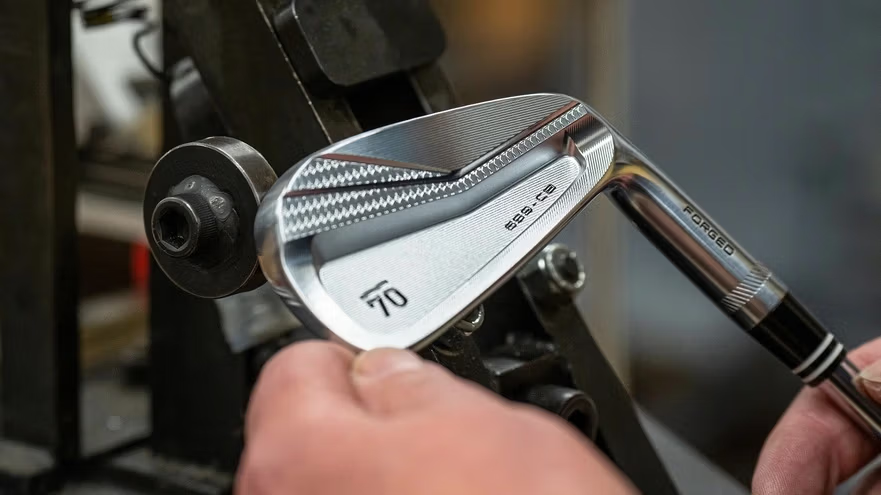
Sub 70 Golf
The blue-collar hero of the DTC world. Based in Illinois, Sub 70 combines high-end performance with a customer service experience that feels like a local pro shop. Their 699 series redefined what a player's distance iron could be.
Visit golfsub70.com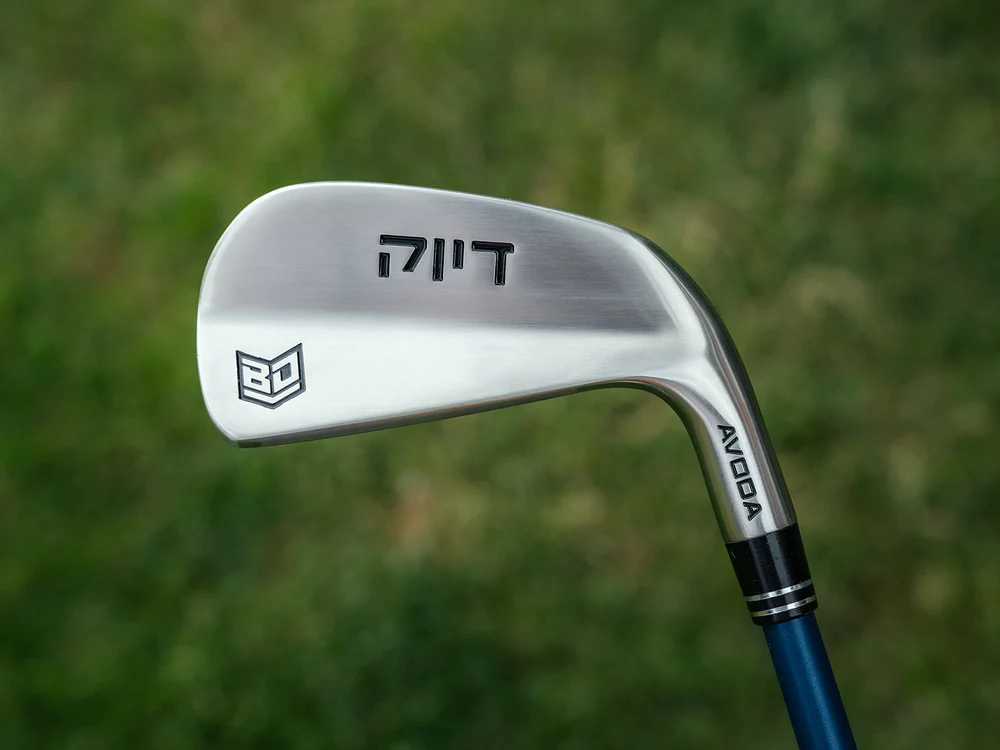
Avoda Golf
The brand that captured the world's attention via Bryson DeChambeau. Avoda focuses on the "same length" and specialized iron technology that allows for extreme consistency. They represent the high-tech edge of the boutique market.
Visit avodagolf.com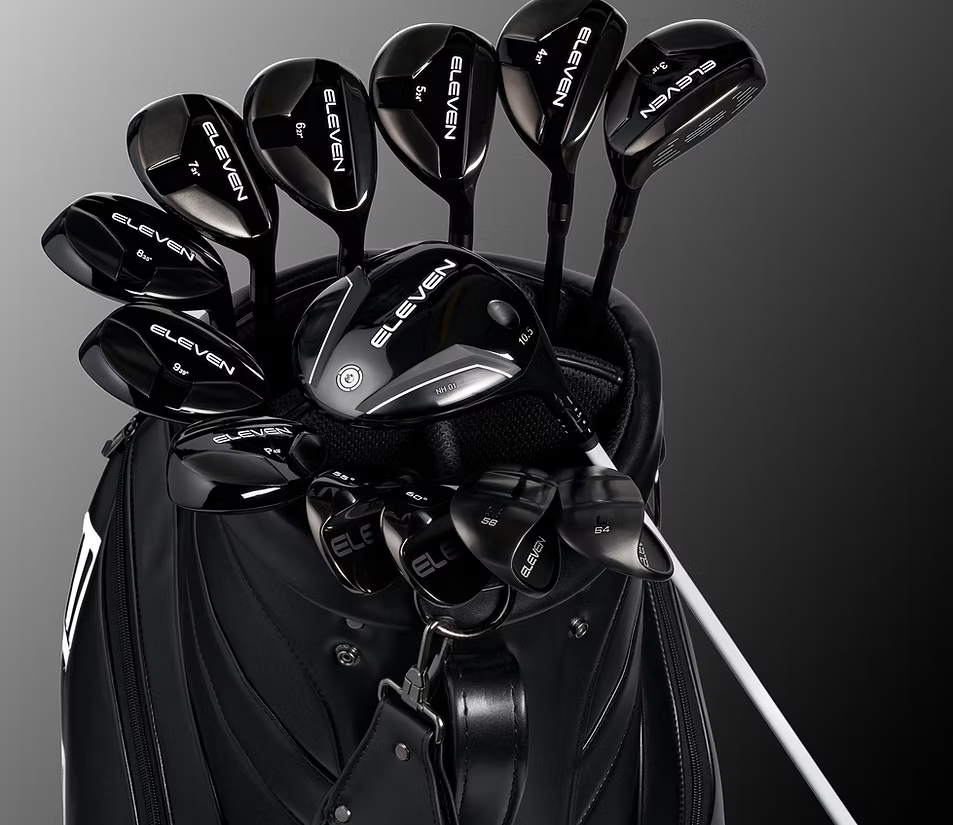
Eleven Golf
Innovating for the high-handicap and senior market. Eleven's hybrid-iron sets are built on the philosophy that long irons are a relic of the past. Their goal is "the most forgiving clubs in the world."
Visit eleven-golf.com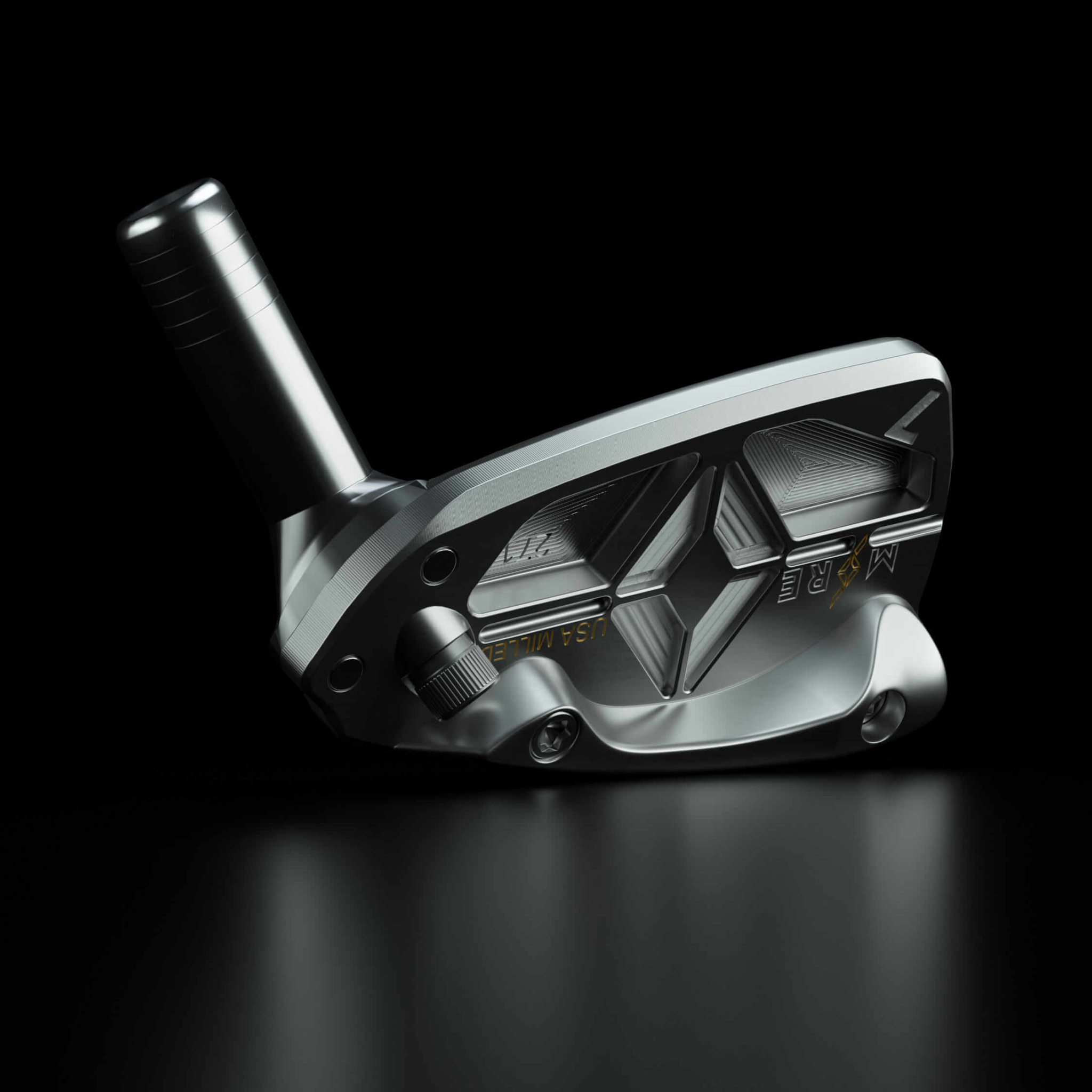
More Golf
Pure engineering. Led by Alan Hocknell (former Callaway design chief), More Golf uses a unique modular construction (MOD-1) that allows for incredible customization and feel.
Visit moregolf.com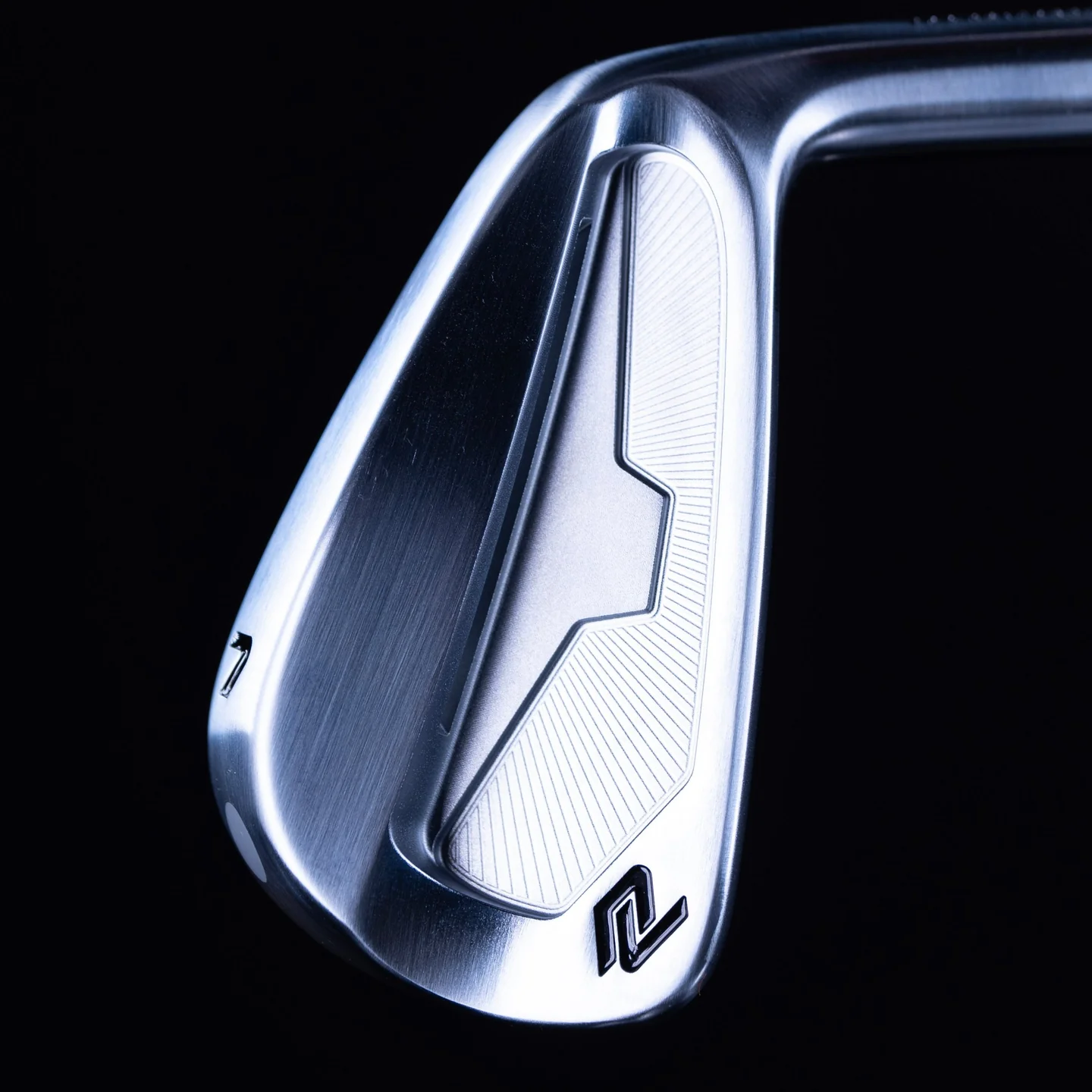
New Level Golf
Focusing on the "Player" profile. New Level offers high-fidelity forged irons with modern cavity designs that rival anything from the major Japanese brands.
Visit newlevelgolf.com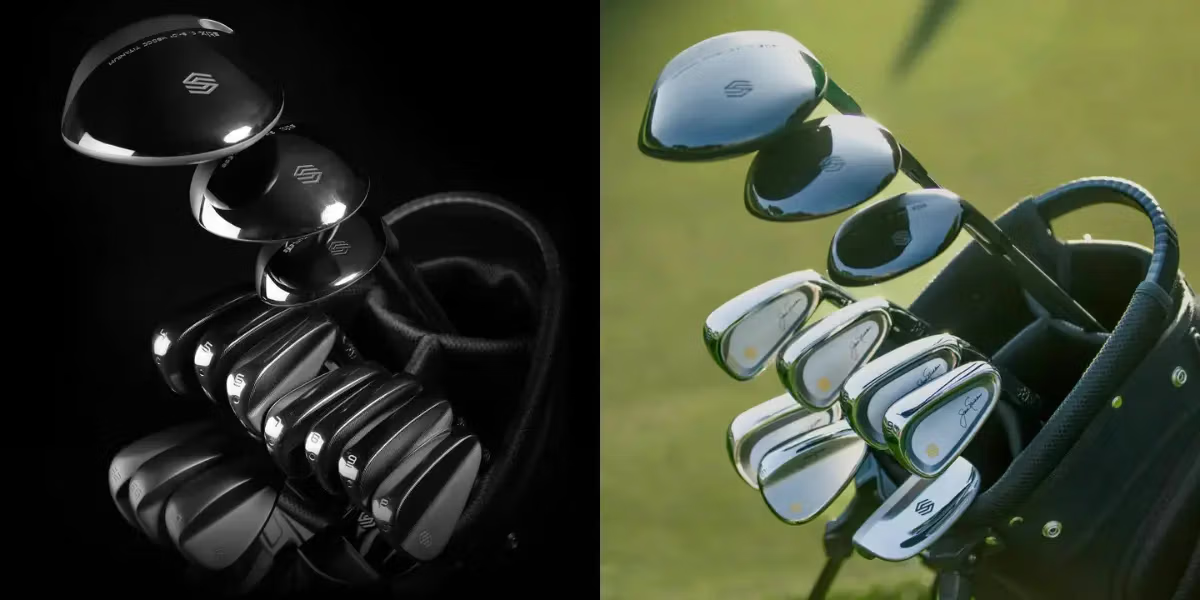
Stix Golf
Design-first golf. Stix created an all-black, minimalist set that looks premium but remains accessible for the modern, style-conscious golfer who wants a complete bag solution.
Visit stix.golf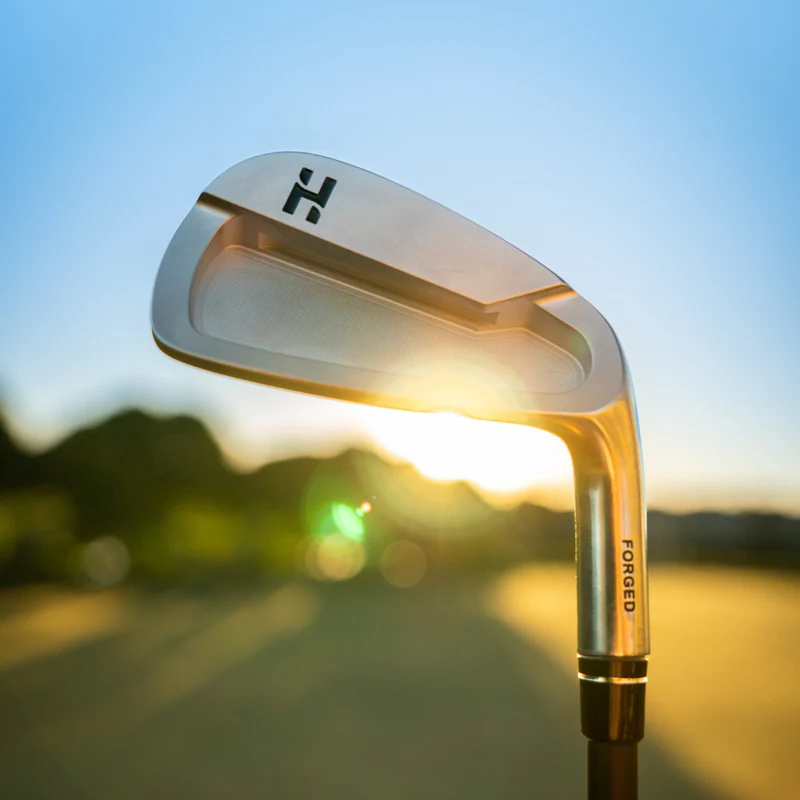
Haitch Golf
Boutique craftsmanship at its finest. Haitch focuses on specialized custom builds and limited runs, catering to the golfer who wants something truly unique in their bag.
Visit haitchgolf.comAre They Actually Any Better?
The short answer: Technically, they are often identical; strategically, they are often superior.
Most boutique brands are not reinventing the laws of physics. They are using the same 1020 and 1025 carbon steel as Titleist or Mizuno. However, because they don't have a 12-month "forced" release cycle, they only release products when they have a genuine improvement or a refined aesthetic. You aren't paying for a new $50 million marketing campaign every year.
The DTC Advantage:
| Value | 40-60% cheaper for equivalent materials (Titanium, 1025 Carbon Steel). | |
| Direct Dialogue | Direct access to founders and master club builders, bypassing retail intermediaries. | |
| Customization | Highly flexible shaft and grip options without the standard "Tier 1" upcharges. | |
| Aesthetics | Minimalist, design-forward branding that avoids the loud, cluttered logos of major OEMs. |
The trade-off? You typically can't walk into a local retail store and hit them. You have to trust the data, the online reviews, and the brand's fitting tools. For the modern, data-informed golfer, that's a trade-off worth making.
The Vault Line
The "Bryson Effect" and the Future of Customization
When Bryson DeChambeau won the 2024 U.S. Open using a set of 3D-printed irons from a boutique brand (Avoda), he didn't just win a trophy; he validated the entire boutique ecosystem. It proved that a specialized, smaller team could build something for the best player in the world that a multi-billion dollar corporation hadn't yet achieved. As 3D printing and modular construction (like More Golf) continue to evolve, the "Big Five" will find it harder to maintain their dominance through marketing alone. The future of golf is personalized, direct, and increasingly boutique.