The Vibe
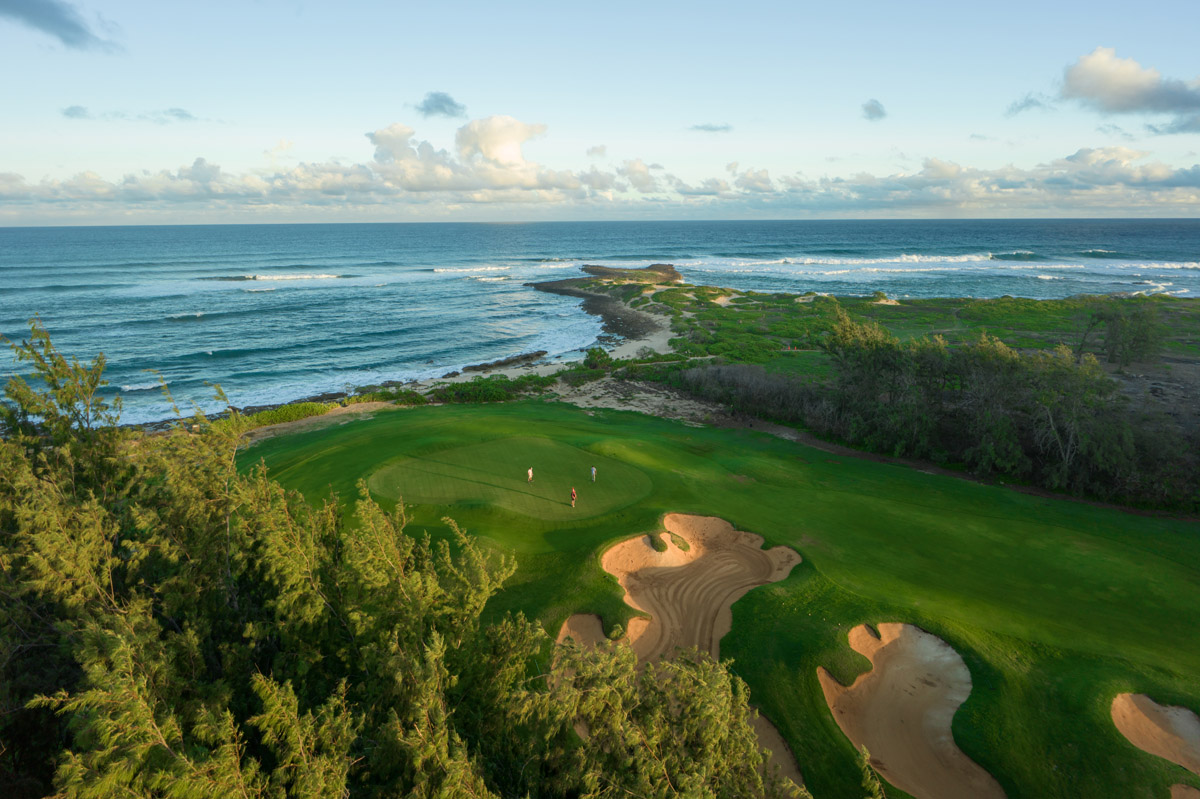
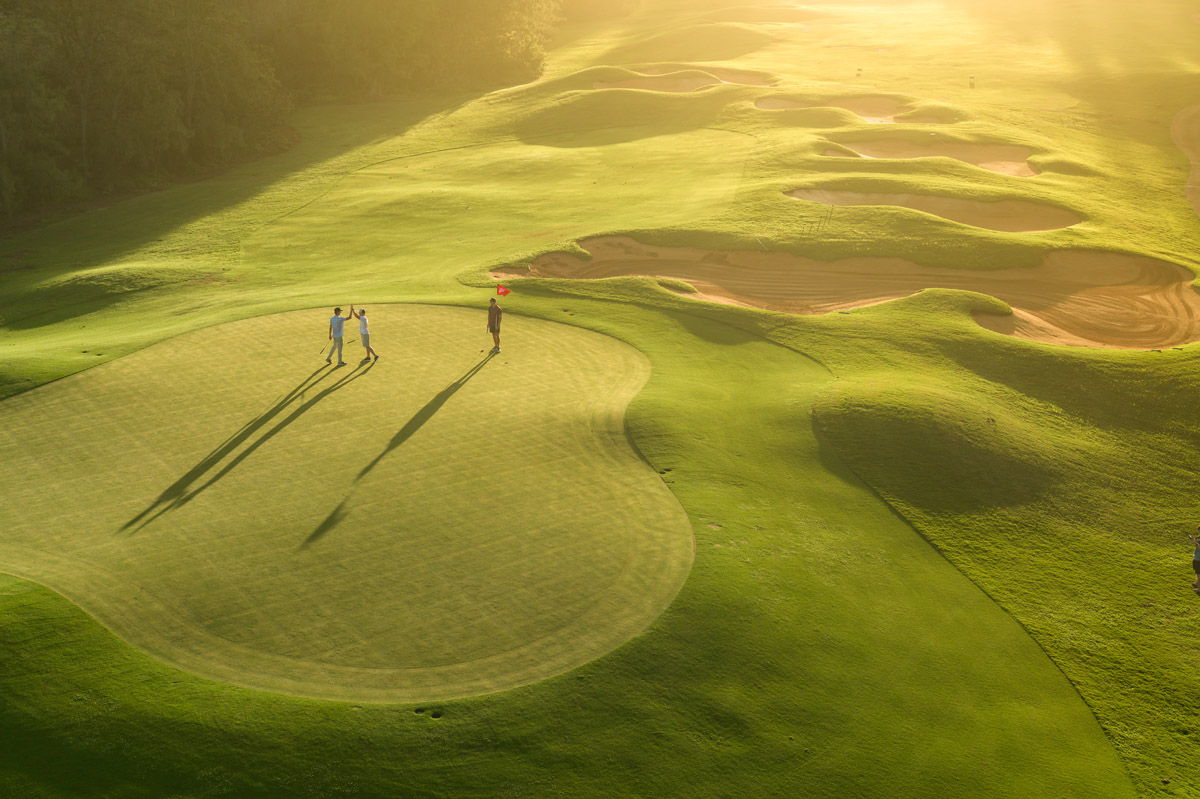
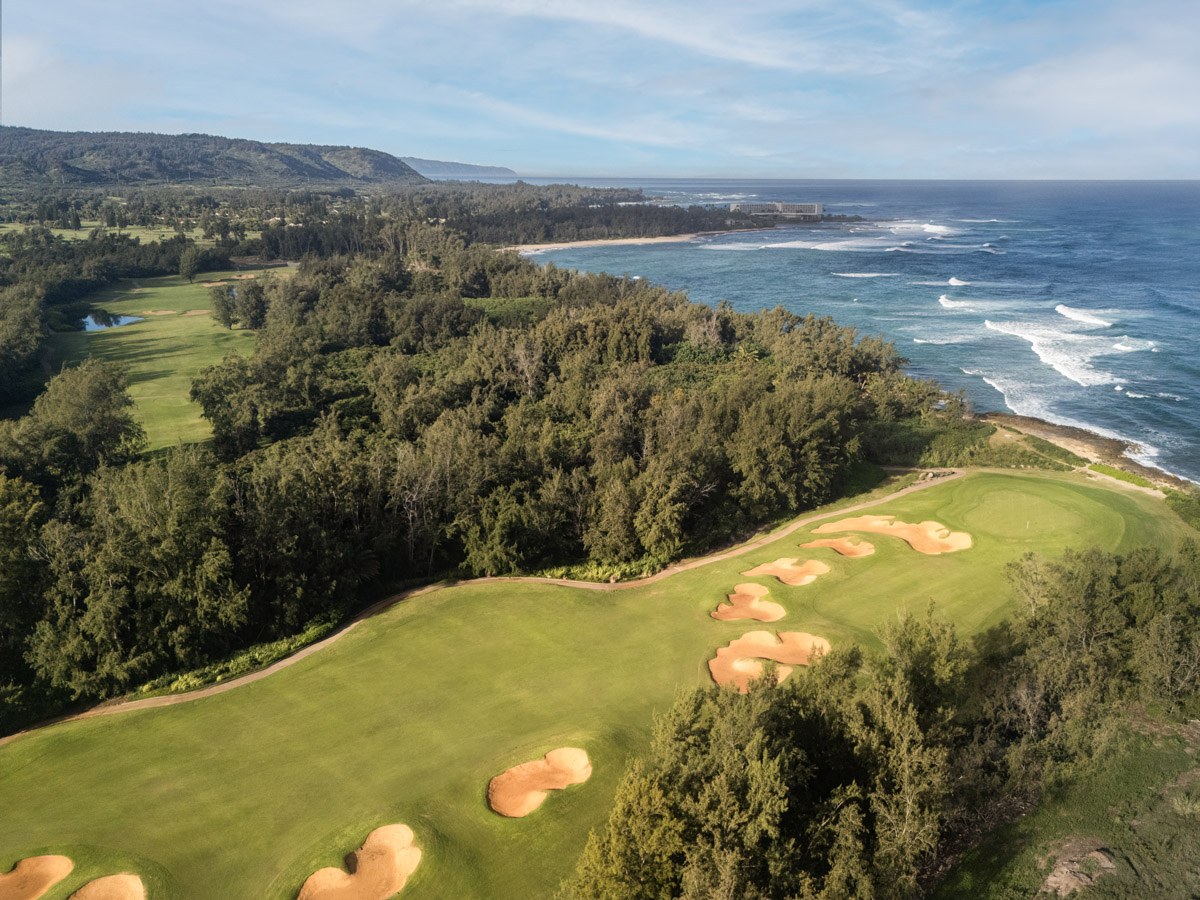
Located on the rugged, surf-pounded North Shore of Oahu, the Palmer Course at Turtle Bay feels worlds away from the high-rises and congestion of Waikiki. This is a serious championship layout—formerly a host of the Champions Tour—that winds through dense ironwood forests, natural wetlands, and the Punahoolapa marshlands before breaking out onto the coastline for a dramatic finish.
Unlike many resort courses that prioritize aesthetics over shot-making, the Palmer Course demands intense strategic focus. The fairways are heavily bunkered, the approaches are tight, and the ever-present trade winds make the course play vastly different from morning to afternoon. It’s a nature-forward, slightly untamed experience that tests every club in the bag.
The Vault Line — Strategic Insight
The front nine lulls you into a false sense of security with tree-lined, parkland-style holes. The back nine exposes you to the ocean winds and demands a much lower ball flight to control spin.
Quick-Glance Summary
Par
72
Yardage
7,218
Architect
Arnold Palmer & Ed Seay
Region
North Shore, Oahu
The Access Intelligence
Access Reality
Open - Resort Access
Open to the public. Guests of the newly renovated Turtle Bay Resort receive discounted rates and priority tee times (up to 90 days out). Non-guests can book 30 days in advance.
Tactical Strategy Guide
Key Hole Intel
Hole 8 (Par 3, 203 yards): A difficult par 3 over wetlands. The green is shallow and heavily protected by deep bunkers. A high fade is the required shot shape to hold the firm green.
Hole 17 (Par 4, 452 yards): The signature hole. The approach plays directly toward the ocean to a green sitting perilously close to the beach and a labyrinth of sand traps. Par here is an exceptional score.
Hole 18 (Par 5, 577 yards): A massive dogleg left playing around a lake. The second shot requires a strategic layup to avoid water on the left and heavy bunkering on the right.
The Insider FAQ
Is there a second course at Turtle Bay?
Yes, the Fazio Course. It is generally considered a much more forgiving, wider, resort-style alternative to the Palmer. It’s great for higher handicappers or a relaxed afternoon round.
How much does the wind affect play?
Significantly. The North Shore is famous for its massive winter swells and high winds. The course can play 3-4 shots harder in the afternoon when the trades are blowing strong.
Are the wetlands in play?
Yes, the Punahoolapa marsh runs throughout the course. Missed fairways often result in lost balls rather than punch-outs from the rough. Accuracy off the tee is paramount.
Is the pace of play good?
It is heavily marshaled, but because of the difficulty and lost balls in the wetlands, rounds can occasionally stretch past 4.5 hours during peak resort season.