
The Vibe
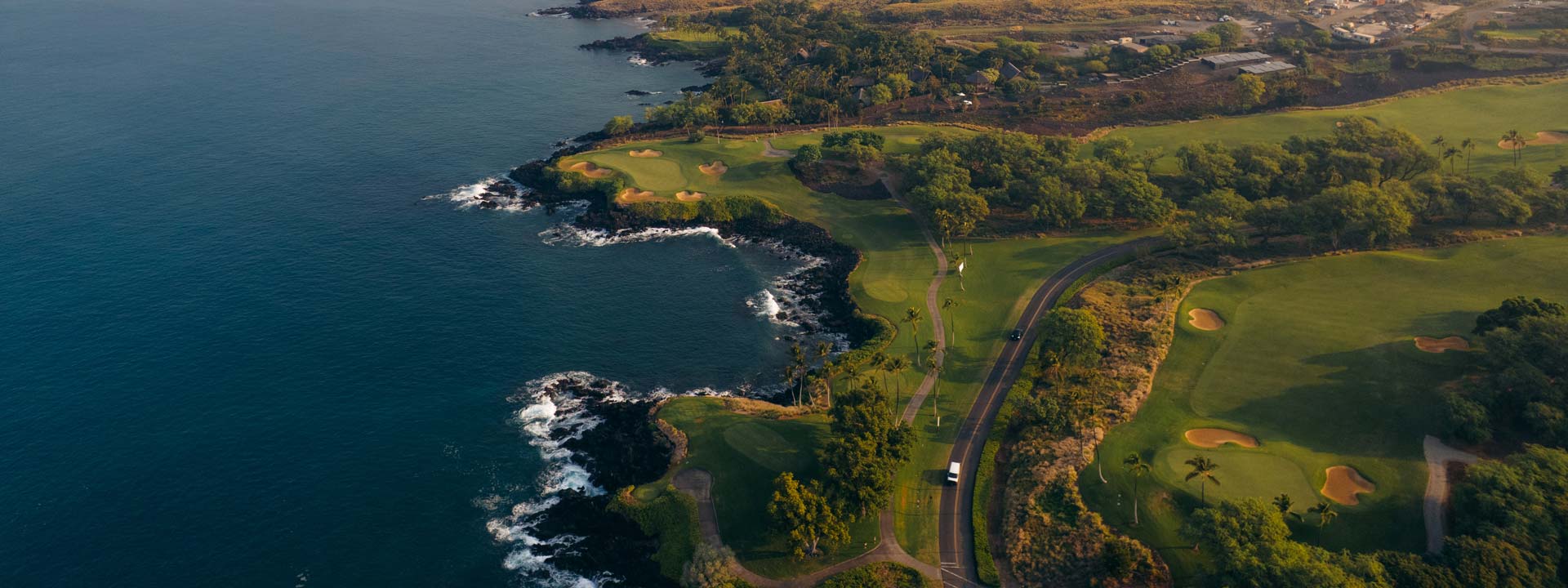
Mauna Kea is the grandfather of Hawaiian resort golf, and it remains a forceful, intimidating presence. When Robert Trent Jones Sr. first laid eyes on the barren, jagged black lava fields of the Kohala Coast in the early 1960s, he envisioned an oasis. The resulting course is a masterclass in routing and dramatic contrasts—vibrant green fairways weaving through stark, unforgiving black rock.
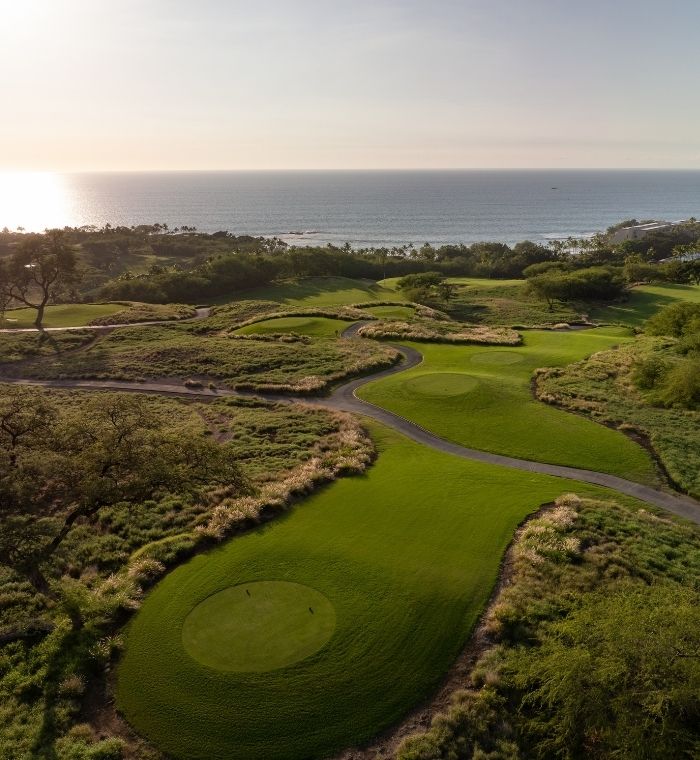
The course underwent a significant restoration by Rees Jones, which modernized the bunkering and expanded the greens while retaining the punishing difficulty that made Mauna Kea famous. The elevation changes provide sweeping views of the ocean and the snow-capped peak of Mauna Kea itself. It is a demanding, architectural heavyweight that commands respect from the first tee to the 18th green.
The Vault Line — Strategic Insight
You cannot miss long on these greens. The lava rock punishment is severe, and recovery from the back of the greens—which often slope back-to-front—is nearly impossible.
Quick-Glance Summary
Par
72
Yardage
7,370
Architect
Robert Trent Jones Sr. / Rees Jones
Region
Kohala Coast, Big Island
The Access Intelligence
Access Reality
Open - Resort Access
Open to the public. Guests of the Mauna Kea Beach Hotel and The Westin Hapuna Beach Resort receive preferred rates and advance booking privileges. Non-resort guests should book exactly at the 30-day window.
Tactical Strategy Guide
Key Hole Intel
Hole 3 (Par 3, 272 yards): One of the most famous holes in golf. The carry is entirely over a surging ocean cove. From the championship tees, it’s a driver. Aim for the left side of the green as the prevailing wind will push the ball aggressively toward the cliffs.
Hole 11 (Par 3, 248 yards): Playing severely downhill with the ocean as a backdrop, club selection is incredibly difficult due to the wind funneling down the mountain.
Hole 18 (Par 4, 436 yards): A grueling uphill finish demanding two perfectly struck shots to reach a heavily contoured, well-bunkered green complex.
The Insider FAQ
Is the course too difficult for high handicappers?
It is undeniably demanding. However, Rees Jones's recent renovation added multiple forward tee boxes (up to 5 sets) and expanded the landing areas, making it much more playable if you choose the correct tees.
What is the difference between Mauna Kea and Hapuna?
Hapuna is Mauna Kea's sister course. Hapuna is an Arnold Palmer design, generally considered slightly more forgiving and links-style, whereas Mauna Kea is a traditional parkland-style course built on lava.
Can I walk the course?
No. The elevation changes and distances between holes make walking prohibitive. Golfboards (electric surfboards for golf bags) are sometimes available for rent.
Are the greens fast?
Yes. They feature TifEagle Bermuda and are meticulously maintained to run very fast and true. Staying below the hole is critical for scoring.