Systemic shockwaves are reverberating through the professional golf ecosystem. Following the 2026 Masters, the Saudi Public Investment Fund (PIF) signaled its withdrawal of financial backing for LIV Golf at the end of this season. But this isn't the end of LIV; it's a brutal, high-stakes evolution into a venture capital model.
I. The BC Partners Era
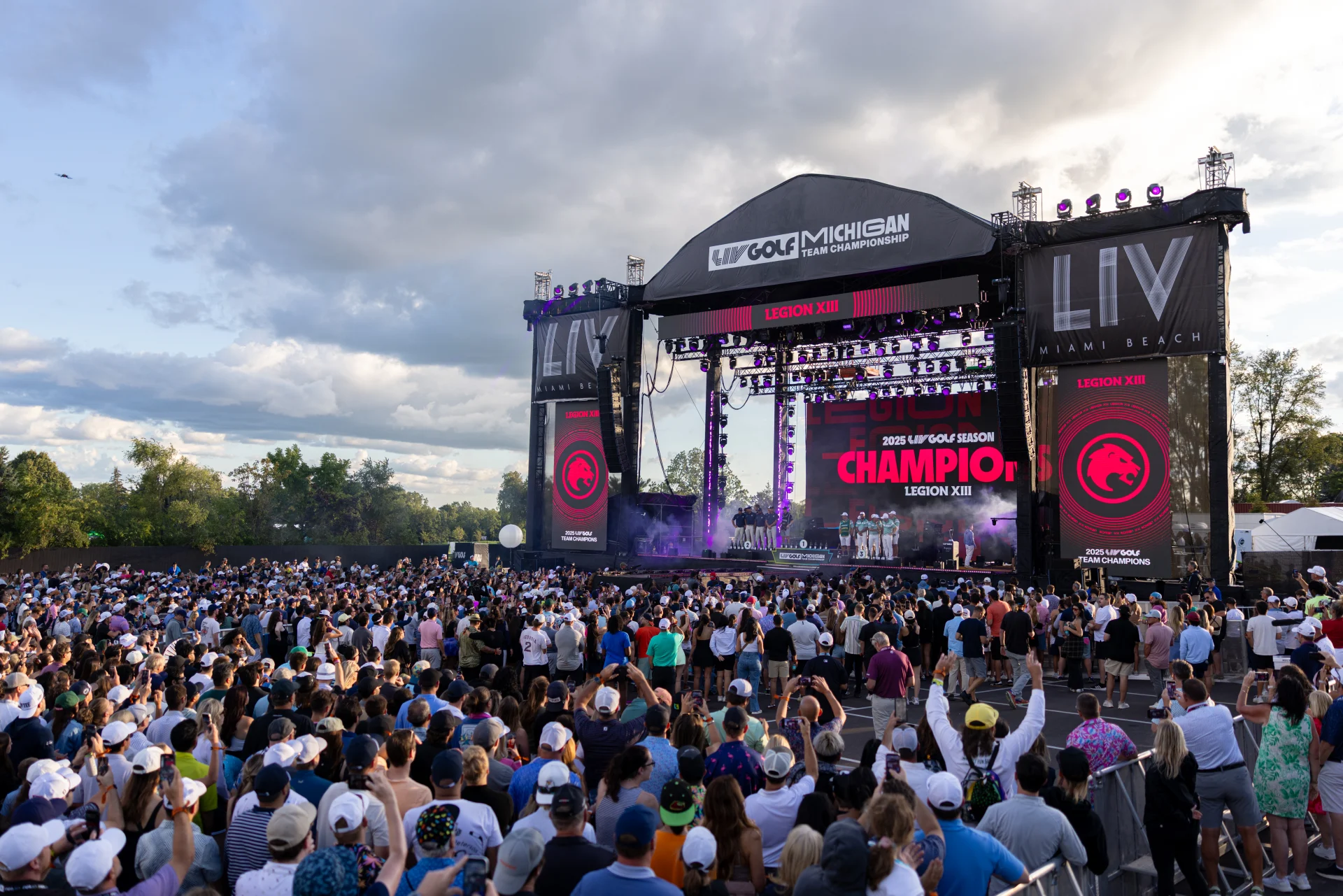
LIV Golf CEO Scott O'Neil has reportedly secured BC Partners as the new lead investor. The blank-check era is over. The new model relies on deep cost-cutting, equity ownership for players, and a streamlined event schedule. This transition was marked abruptly by the quiet cancellation of the August Michigan event, shifting the season finale to Indianapolis.
II. Jon Rahm and The Geopolitics of the Ryder Cup
The most pressing storyline inside the locker room is Jon Rahm. With the DP World Tour formally communicating that LIV players are "highly unlikely" to receive conditional releases for the 2027 season, Rahm’s Ryder Cup eligibility is on life support. There is widespread speculation that the former World No. 1 is negotiating a complex exit strategy from the league to return to traditional tours.
If Rahm leaves, the equity valuations of the remaining LIV teams will take a significant hit right as BC Partners opens the books.
III. The Lifeboat Strategy
Players are already hedging their bets. Stars like Tyrrell Hatton and Adrian Meronk have quietly entered the field for the DP World Tour’s British Masters, which takes place on the exact dates the cancelled Michigan LIV event was scheduled for. They are securing their lifeboats.
The Vault Line
Equity is only valuable if the product scales.
The transition from sovereign wealth to private equity means LIV Golf teams must actually turn a profit. The next 12 months will determine if the team-franchise model in golf was a visionary disruption or an unsustainable financial experiment.